
Industrial Memory & Storage
Memory and storage products for current and legacy industrial platforms, organized by generation, interface and form factor. Final configuration is confirmed according to platform requirements, operating conditions and programme lifecycle.
Industrial Memory
U-DIMM and SO-DIMM configurations for DDR3, DDR4 and DDR5 industrial platforms. Selection is determined by the target memory architecture, board layout and programme lifecycle.
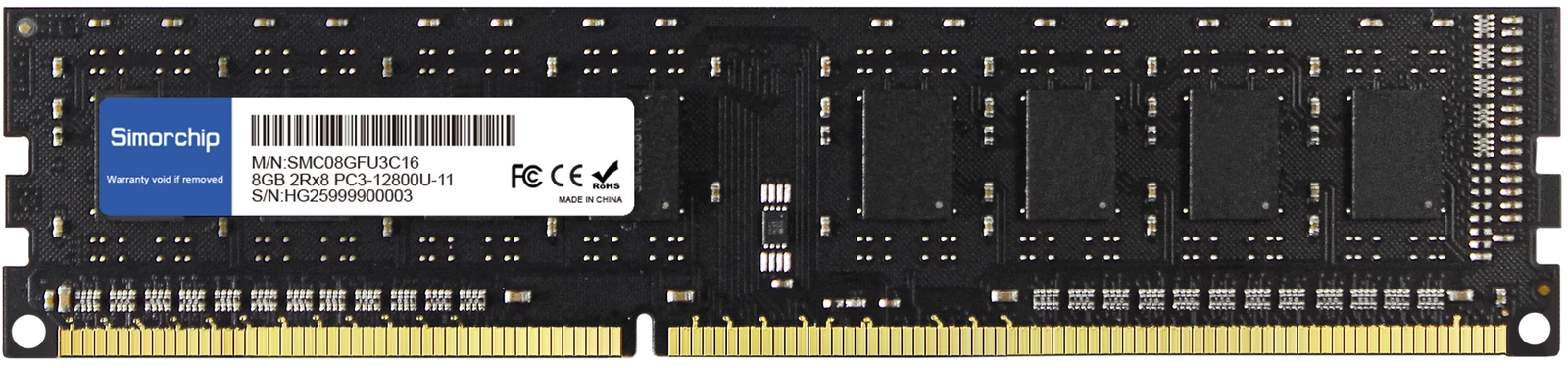
DDR3 U-DIMM
For platforms using the 240-pin DDR3 / DDR3L U-DIMM memory architecture.
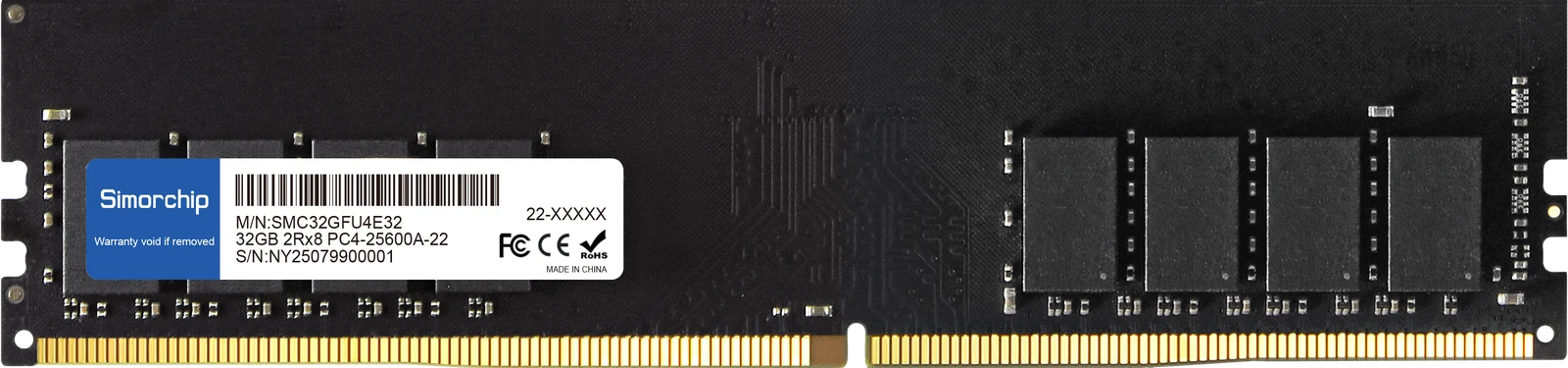
DDR4 U-DIMM
For platforms using the 288-pin DDR4 U-DIMM memory architecture.
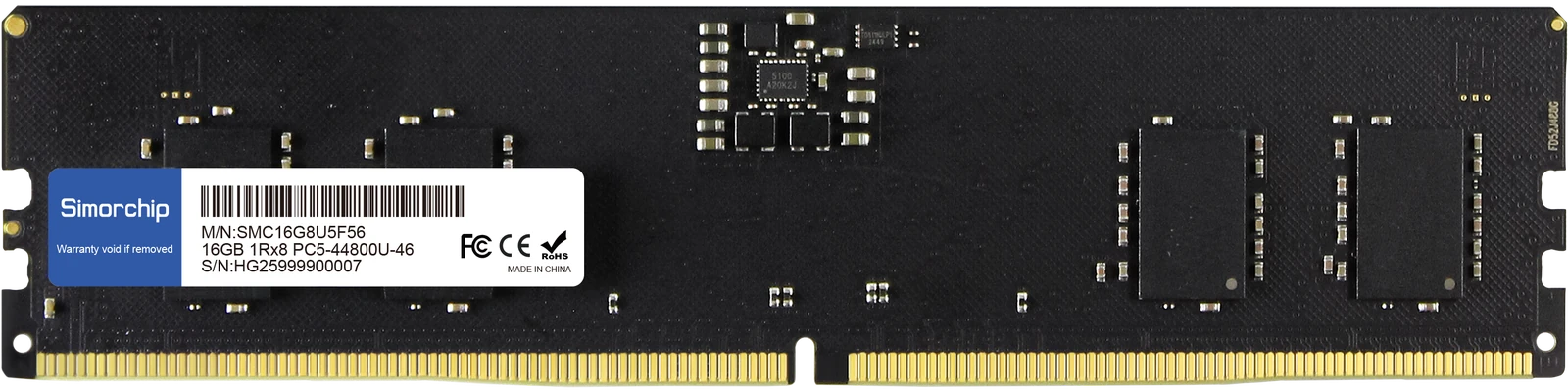
DDR5 U-DIMM
For platforms using the 288-pin DDR5 U-DIMM memory architecture.
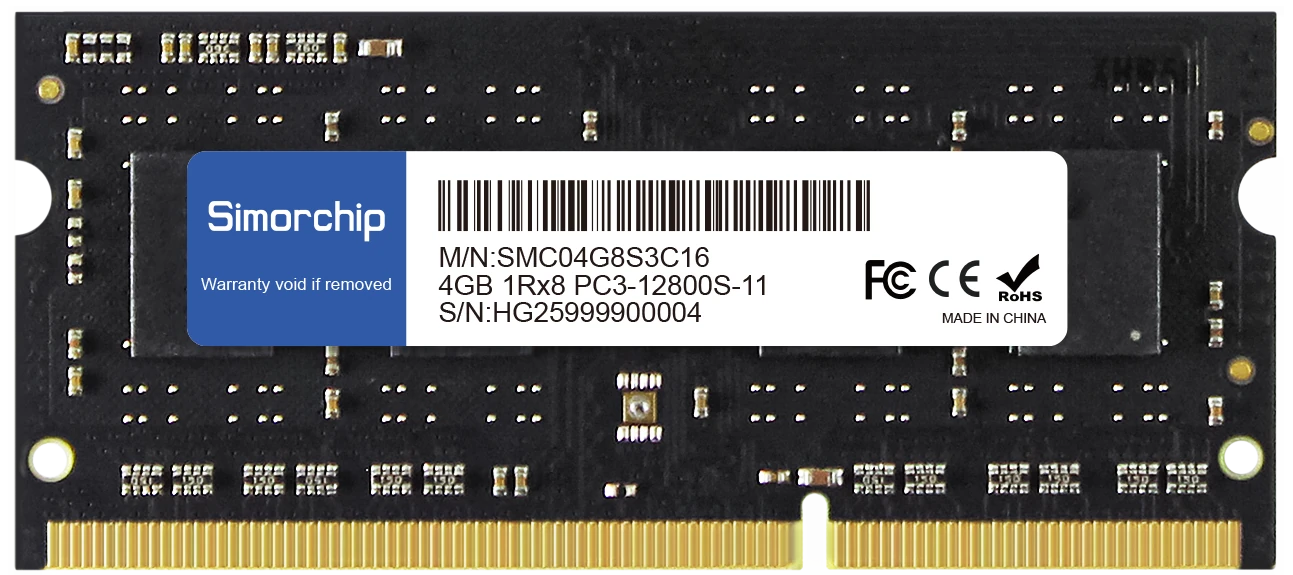
DDR3 SO-DIMM
For platforms using the 204-pin DDR3 / DDR3L SO-DIMM memory architecture.
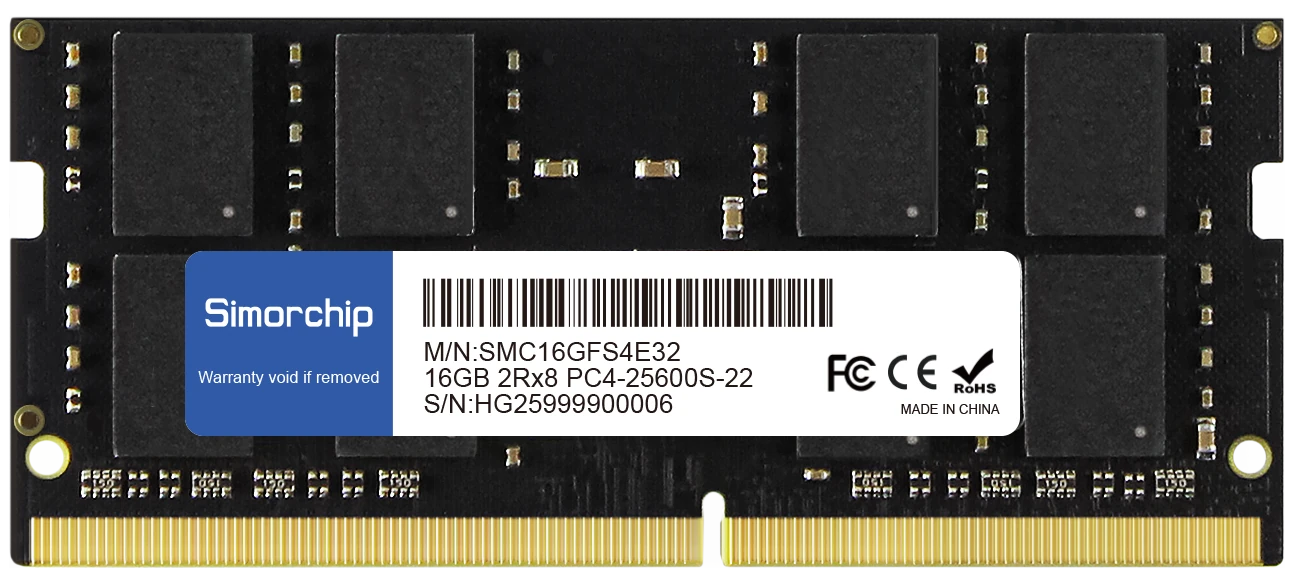
DDR4 SO-DIMM
For platforms using the 260-pin DDR4 SO-DIMM memory architecture.
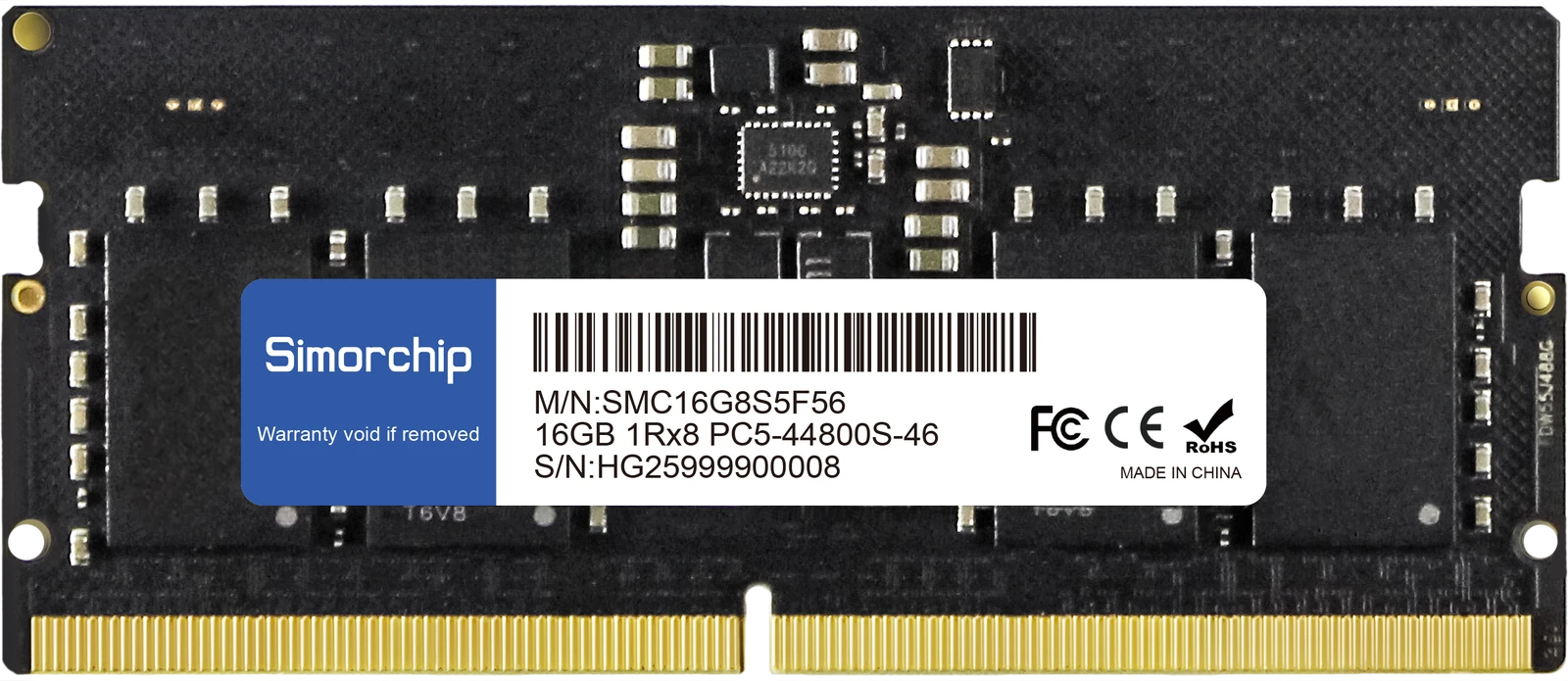
DDR5 SO-DIMM
For platforms using the 262-pin DDR5 SO-DIMM memory architecture.
Industrial Storage
SATA and PCIe storage products organized by interface and physical form factor for industrial platform integration.
Form Factor Reference
Relative physical dimensions of storage form factors represented in the current industrial portfolio.
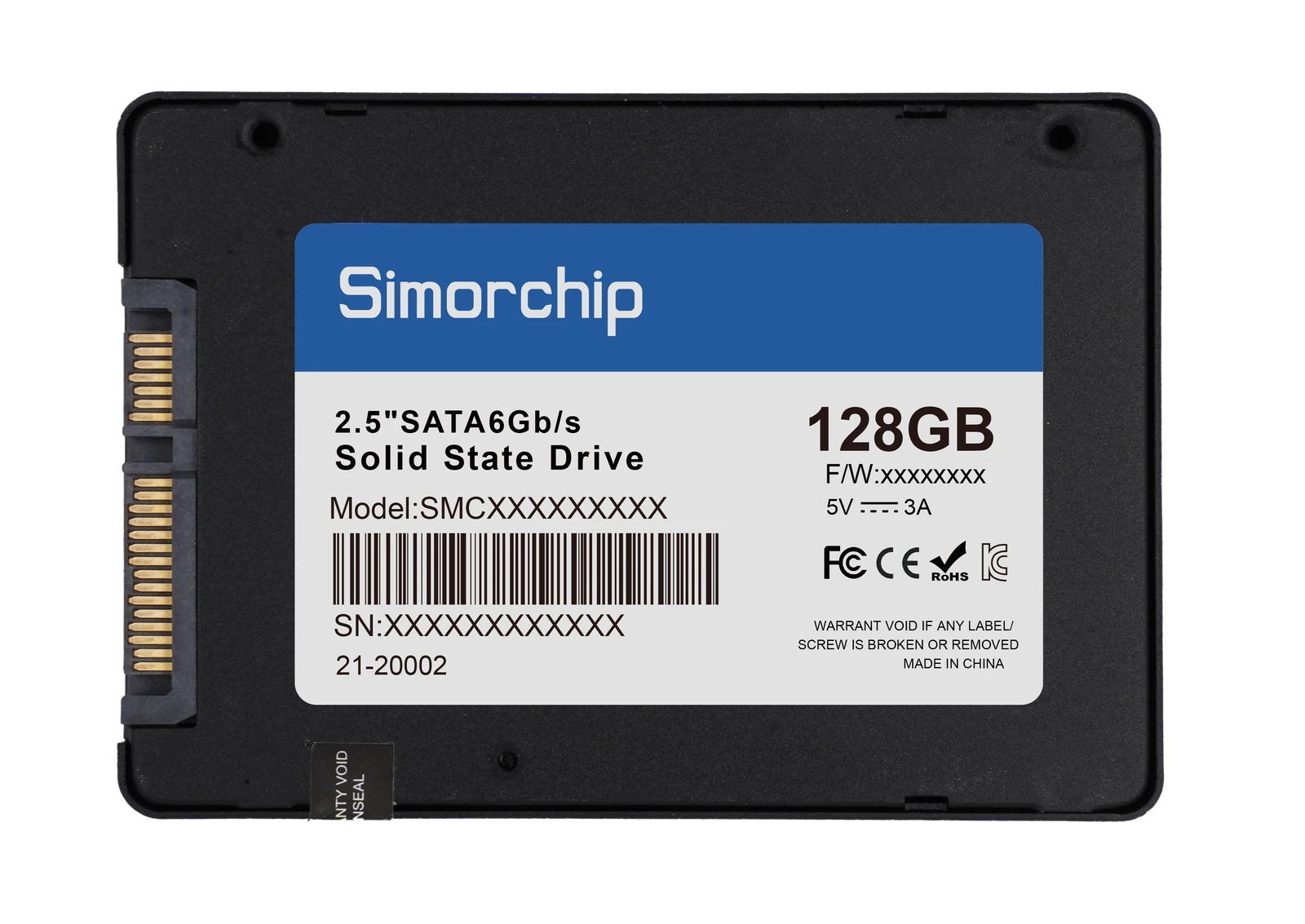
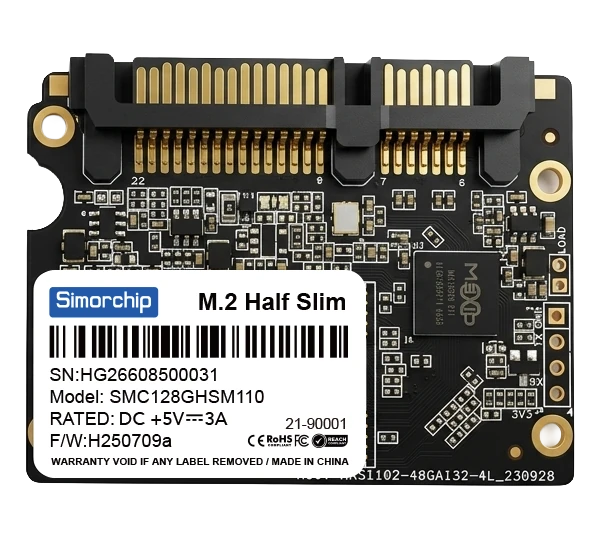
Shown to relative scale. Dimensions are the form-factor footprint, not the drive height. Form Factor Selection →
SATA
2.5″ SATA III
2.5-inch SATA drive for systems with a standard 2.5-inch drive bay.
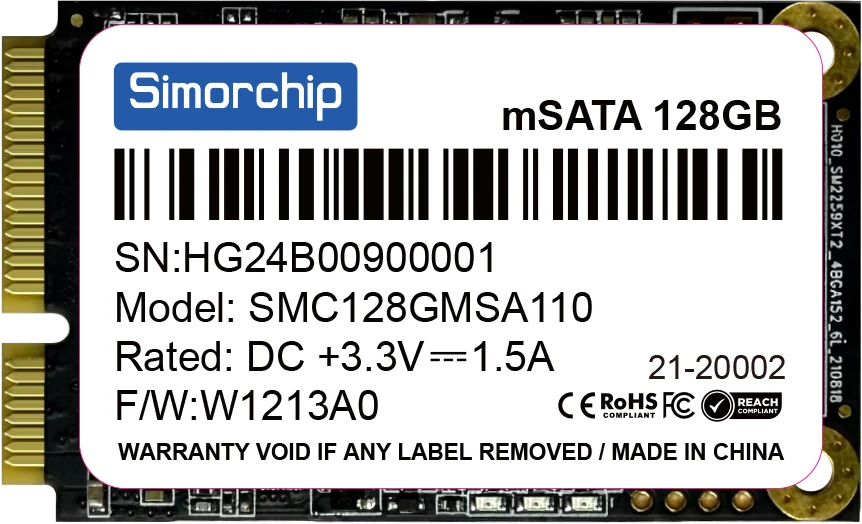
mSATA
mSATA module for boards with an mSATA socket.
Half Slim
Half Slim SATA module for space-constrained board layouts.
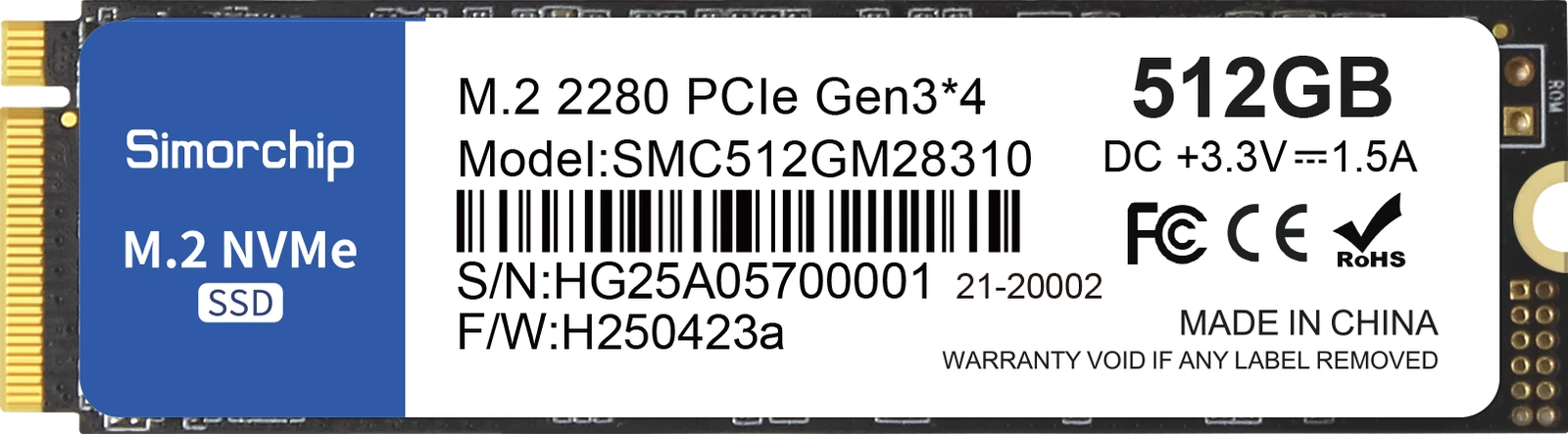
M.2 SATA III
M.2 module operating on the SATA interface, not PCIe. Supplied in 2242 and 2280 lengths.
PCIe / NVMe
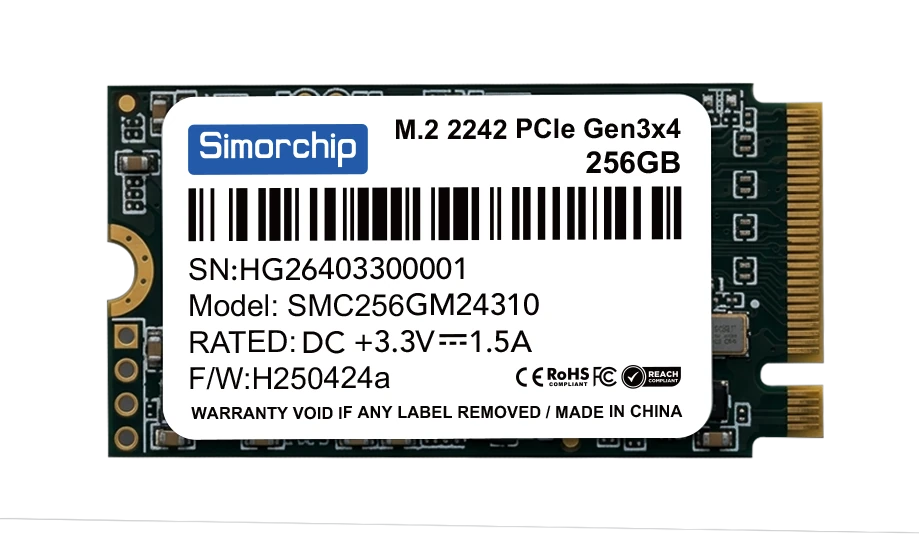
M.2 PCIe 3.0
M.2 module on PCIe Gen3 x4 with NVMe 1.4 protocol support. Supplied in 2242 and 2280 lengths.
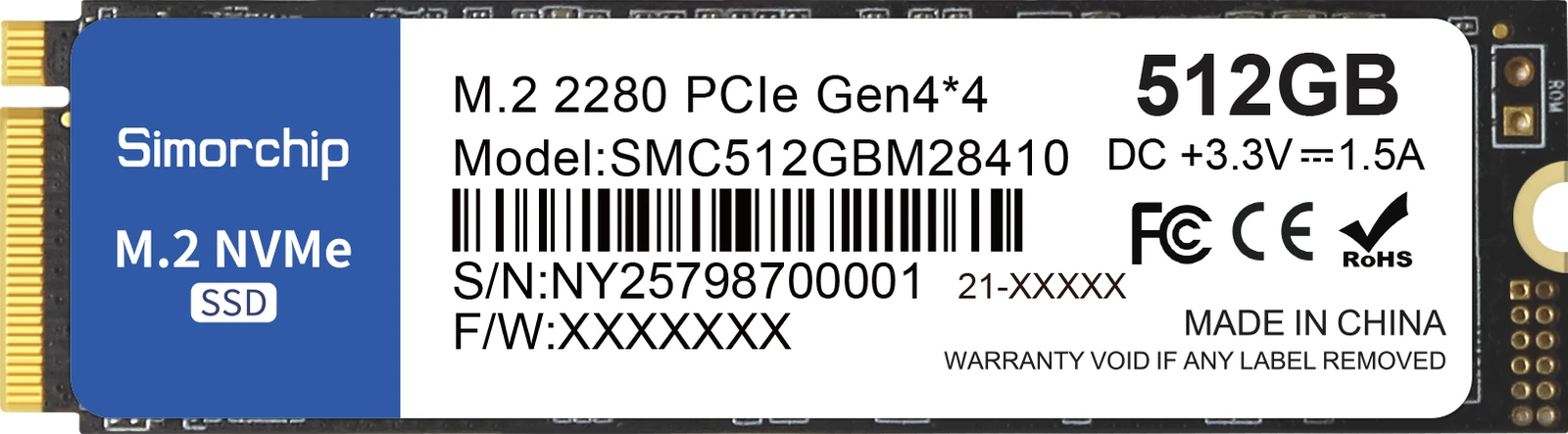
M.2 PCIe 4.0
M.2 module on PCIe Gen4 x4 with NVMe protocol support.
Technical specifications are confirmed according to project configuration and approved product documentation.
Submit Product Requirements →Performance figures are the family maximum and are capacity-dependent; the per-capacity table is stated in each datasheet. M.2 is a form factor, not an interface: the SATA and PCIe M.2 families are separate products.
Engineering Product Controls
Configuration Control
Where configuration control is defined within the approved programme scope, qualified configurations are managed through the applicable BOM and change-review requirements.
Platform Qualification
Applicable memory and storage products may be evaluated against the target platform configuration according to project requirements.
Lifecycle Coordination
Component availability, generation transitions and requalification requirements are reviewed against the expected programme period.
Product Configuration Review
Provide the target platform, required memory or storage form, capacity requirements, operating conditions and expected programme lifecycle. SIMORCHIP engineering will review the applicable product configuration and qualification scope.