
Start with the platform.
Platform class determines the applicable memory and storage forms. Final configuration is confirmed against board layout, operating conditions and programme lifecycle.
Choose Your Platform
Six platform classes, the applicable memory and storage forms for each, and the engineering considerations reviewed before configuration freeze.
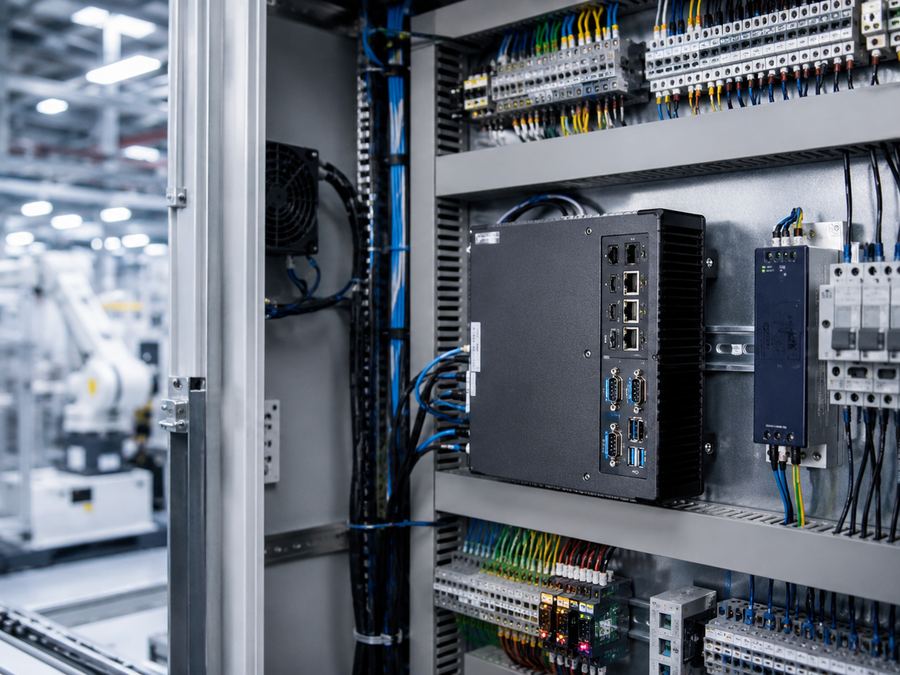
Industrial PC
Industrial PC platforms range from compact fanless systems to expandable rack configurations. Selection is determined by form factor, operating conditions and platform lifecycle.
- Primary requirement
- Continuous operation over a multi-year platform lifecycle
- Memory
- DDR3 / DDR4 / DDR5 U-DIMM · SO-DIMM
- Storage
- 2.5″ SATA III · M.2 PCIe 3.0 (2280)

POS
Chain-wide rollouts involve large volumes of identical units installed over an extended deployment period, which typically exceeds open-market component availability windows. Configuration consistency is maintained through defined configuration control.
- Primary requirement
- Configuration consistency across the deployed fleet
- Memory
- DDR3 / DDR4 / DDR5 SO-DIMM · U-DIMM
- Storage
- 2.5″ SATA III · mSATA · M.2 PCIe 3.0 (2242 / 2280)

Kiosk
Self-service terminals operate continuously in public environments without on-site operators. Unattended deployments require defined recovery behaviour and stable operation without continuous on-site supervision.
- Primary requirement
- Continuous unattended operation with defined recovery behaviour
- Memory
- DDR3 / DDR4 / DDR5 SO-DIMM · U-DIMM
- Storage
- 2.5″ SATA III · M.2 PCIe 3.0
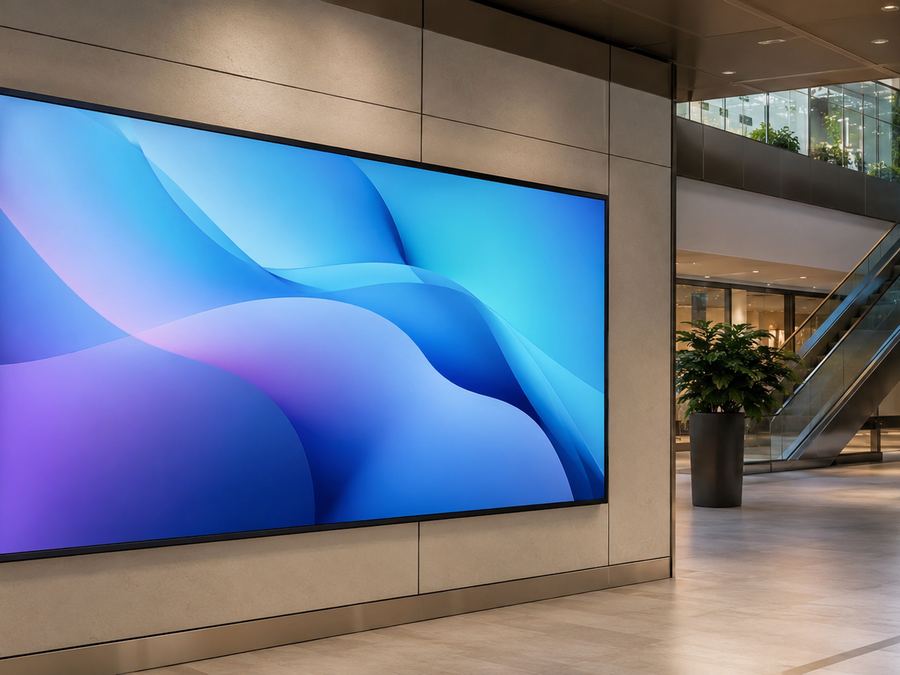
Digital Signage
Signage players operate continuous playback cycles. The storage workload is predominantly sustained sequential read, with write activity concentrated in content update intervals.
- Primary requirement
- Sustained sequential read performance at the deployed capacity
- Memory
- DDR3 / DDR4 / DDR5 SO-DIMM · U-DIMM
- Storage
- 2.5″ SATA III · M.2 PCIe 3.0 (2280)
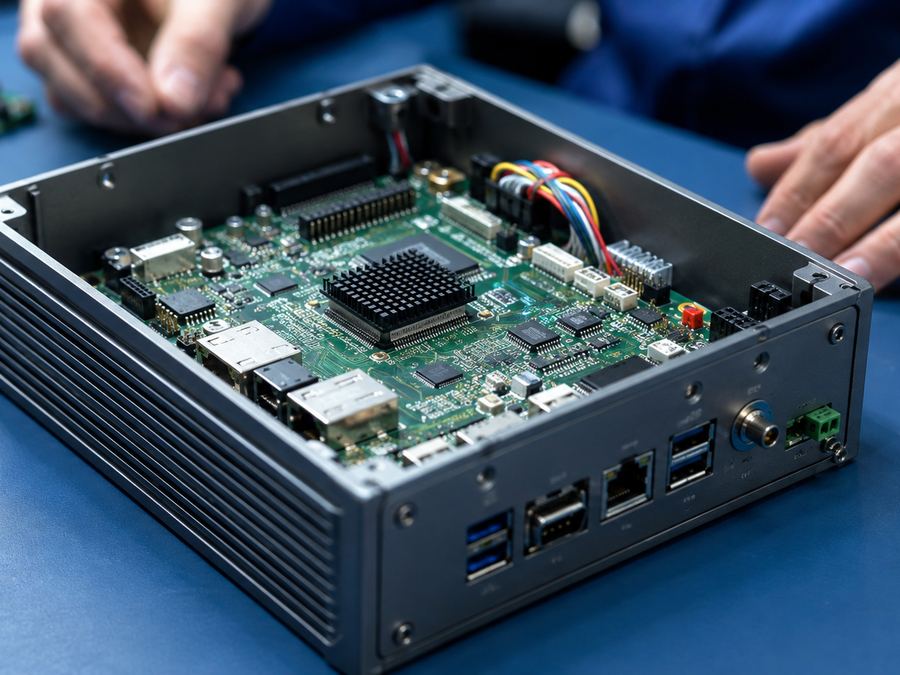
Embedded
Embedded designs fix the module form factor at board layout stage. Form-factor changes after design freeze may require board redesign and requalification.
- Primary requirement
- Form factor and board space defined at layout stage
- Memory
- DDR3 / DDR4 / DDR5 SO-DIMM
- Storage
- mSATA · M.2 PCIe 3.0 (2242)
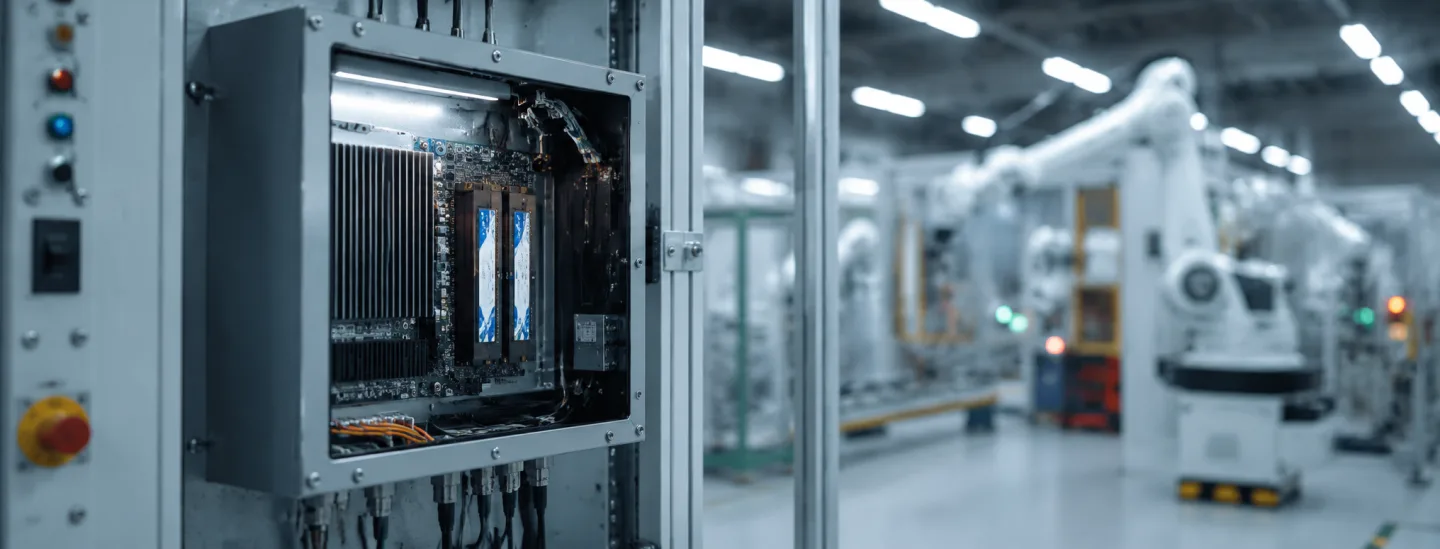
Automation & HMI
Controllers and HMI units remain in service over extended periods, which may exceed the production life of the qualified memory generation. Lifecycle planning addresses generation transitions and requalification requirements.
- Primary requirement
- Service life extending beyond the qualified memory generation
- Memory
- DDR3 / DDR4 / DDR5 SO-DIMM · U-DIMM
- Storage
- mSATA · M.2 PCIe 3.0
Compare at a Glance
Comparison of primary platform requirements, applicable memory and storage forms, and key engineering considerations.
| Platform | Primary concern | Memory | Storage | Engineering focus |
|---|---|---|---|---|
| Industrial PC | Continuous operation | U-DIMM · SO-DIMM | 2.5″ SATA · M.2 PCIe | Configuration Control · Compatibility · Stability |
| POS | Fleet consistency | SO-DIMM · U-DIMM | 2.5″ SATA · mSATA · M.2 PCIe | Configuration Control · Deployment Scheduling |
| Kiosk | Unattended uptime | SO-DIMM · U-DIMM | 2.5″ SATA · M.2 PCIe | Stability · Failure Analysis |
| Digital Signage | Continuous playback | SO-DIMM · U-DIMM | 2.5″ SATA · M.2 PCIe | Capacity · Sustained Playback Validation |
| Embedded | Board space | SO-DIMM | mSATA · M.2 2242 | Design-In Support · Compatibility |
| Automation & HMI | Long service life | SO-DIMM · U-DIMM | mSATA · M.2 PCIe | Lifecycle Planning · Requalification Management |
Forms listed are those applicable to each platform class. Availability and final configuration are confirmed per part number with engineering.
Representative Deployment Cases
Project configurations shown are those recorded for each programme. Current product availability is listed under Products.

Cloud Gaming Workstation Memory Requalification and Supply Transition
View Case →
Legacy POS Storage Upgrade and Service-Life Extension
View Case →
Outdoor Surveillance Storage and Memory Qualification
View Case →Industrial PC Memory Second-Source Qualification
View Case →Legacy DDR3 Supply Continuity for ATM and Inspection Equipment
View Case →
AGV Storage Qualification and Supply Continuity
View Case →Deployment Support Scope
Project-specific configuration based on platform, operating environment and programme requirements.
Engineering review during integration, sample qualification and platform validation.
Supply planning and change-control management aligned with programme requirements.
Manufacturing and technical support for approved customer-defined configurations.
Qualification & Configuration Control
Qualification requirements vary by platform; however, configuration control, compatibility verification, stability validation and change management remain common engineering disciplines.
Configuration Control
Qualified configurations are controlled through the agreed programme lifecycle, with component changes managed through defined change-control and requalification procedures where required.
Read more →Platform Validation
Initialisation, training and recognition are verified against the target board. Qualification scope is defined according to platform configuration and operating conditions.
Read more →Stability Testing
Throughput and operational behaviour are verified under sustained load at the deployed capacity.
Read more →Lifecycle Planning
Lifecycle planning addresses component availability, generation transitions and requalification requirements over the expected programme period.
Read more →Failure Analysis
Returned products or reported issues may be reproduced where technically feasible. Root-cause investigation and corrective-action review are performed according to the reported condition and available technical evidence.
Read more →Submit Project Requirements
Provide the target platform, deployment conditions, required volume and expected programme lifecycle. SIMORCHIP engineering will review the applicable product configuration and qualification requirements.